Bolt
How Bolt went from ride-hailing to a global mobility platform whose fleet now supports accessibility mapping.
History
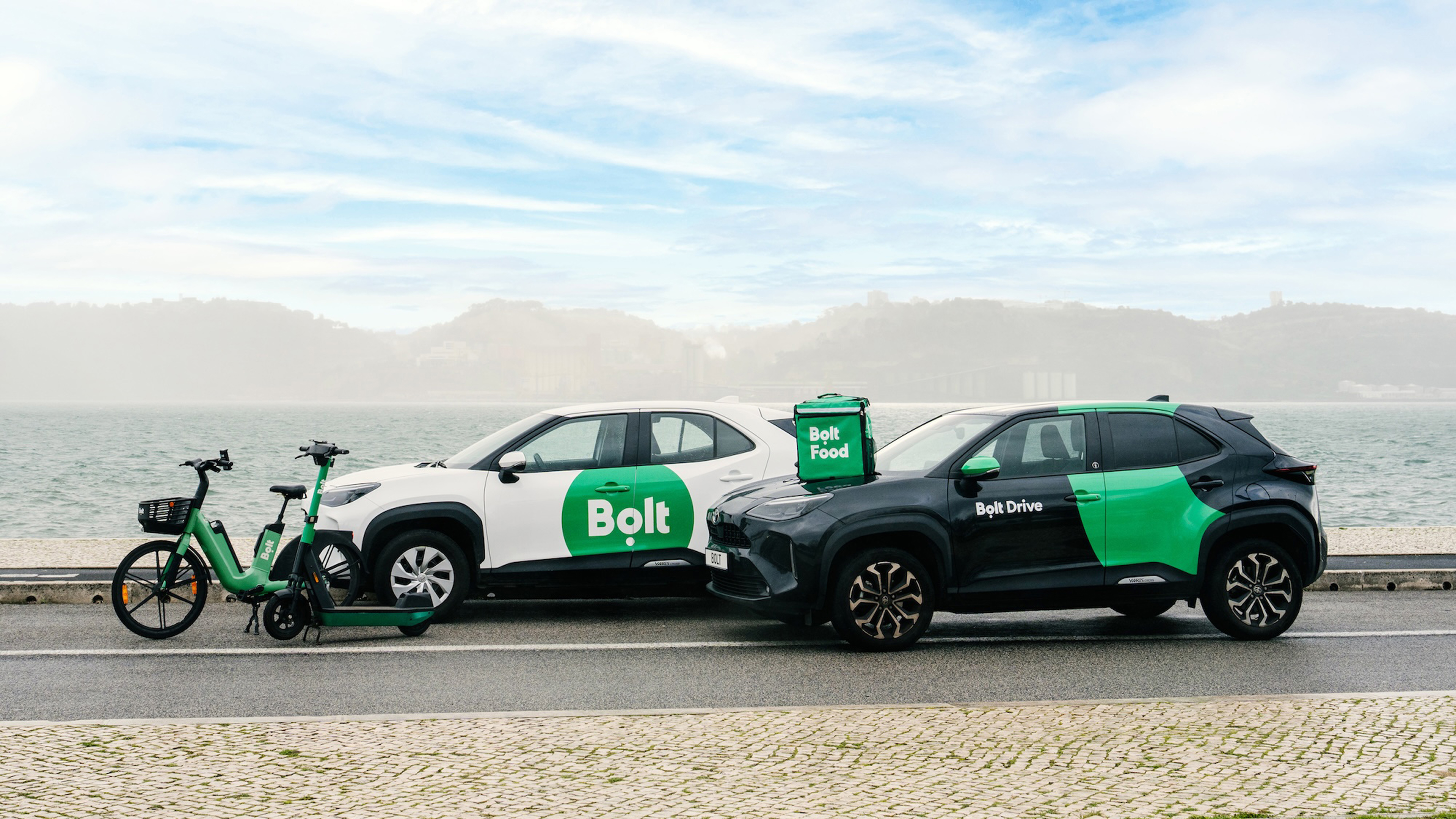
Bolt started in 2013 as a ride-hailing platform and has since expanded into micromobility, offering e-scooters, bikes, and other urban transport options in over 850 cities worldwide. Its mission is “making cities for people, not cars”: shared mobility that reduces private car use and improves urban accessibility. Since the launch of its advanced e-scooter fleet, Bolt’s vehicles also double as mobile data platforms. For Wheels4Wheels, these Bolt scooters collect the sensor data used to map wheelchair-accessible routes.
Accessibility
The “Bolt for All” initiative continues Bolt’s long-running work on making micromobility inclusive. Programs such as a 50% discount on Bolt scooter and bike rides for students, job-seekers, and people referred by social services in Brussels lower the cost barrier to urban mobility.

Accessibility is embedded into both technology and operations. An ambient-noise alert in high pedestrian areas and an AI-driven pavement-detection system that monitors sidewalks and ramps both protect visually impaired pedestrians.
Wheels4Wheels extends this work, using real-world sensor data to improve accessible routes for wheelchair users and others with limited mobility.