E-Scooters
How Bolt scooter design, sensors, and data storage enable accessibility mapping.
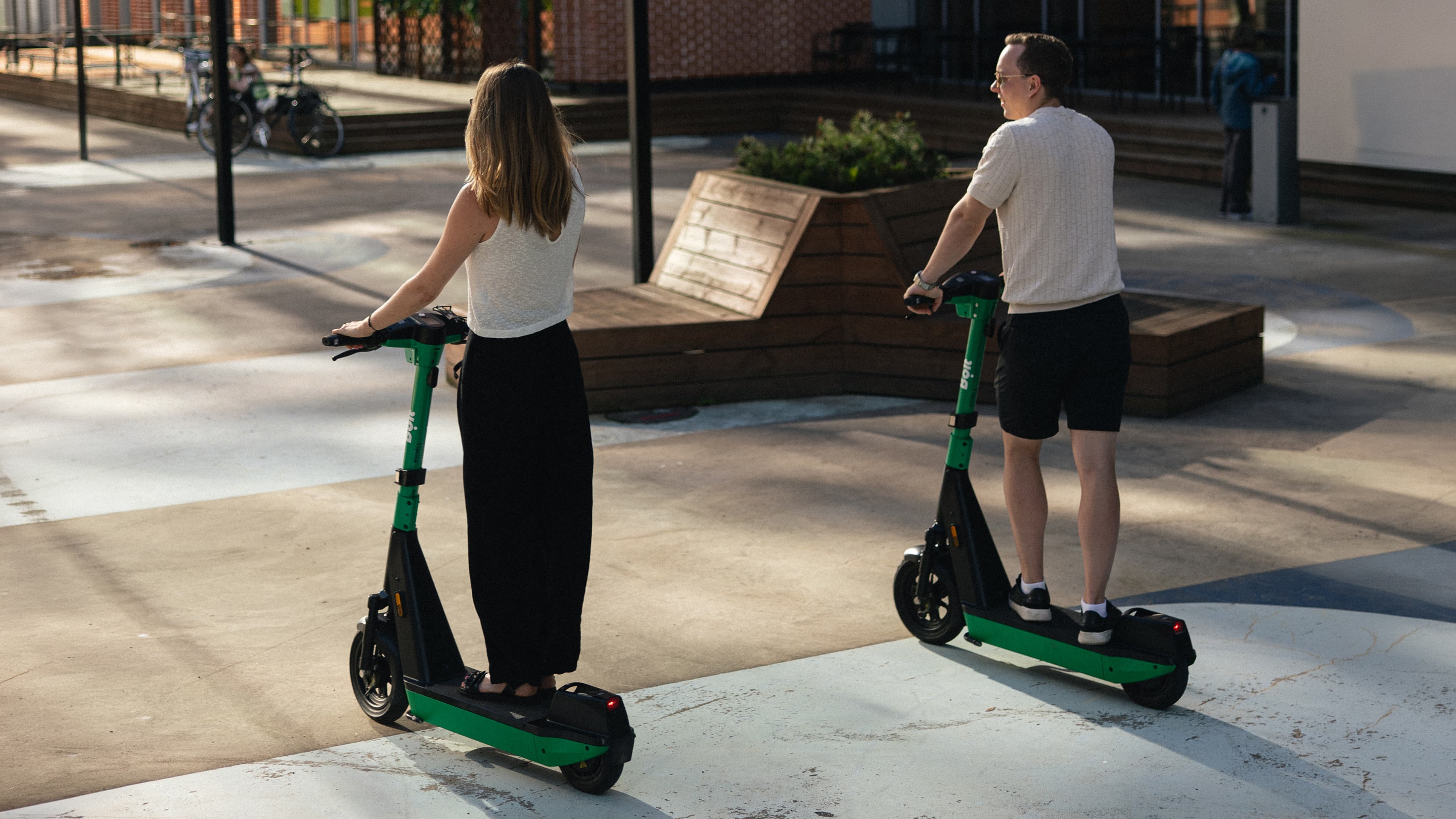
The Bolt 6
Designed with sustainability and large-scale urban deployment in mind, the sixth-generation Bolt scooter incorporates a 1.1 kWh vandalism-resistant smart battery, which provides an operational range of up to 90 km per charge. The power system has been engineered for durability under continuous fleet usage, with a projected average lifespan of eight years – a 60% increase over the previous generation.
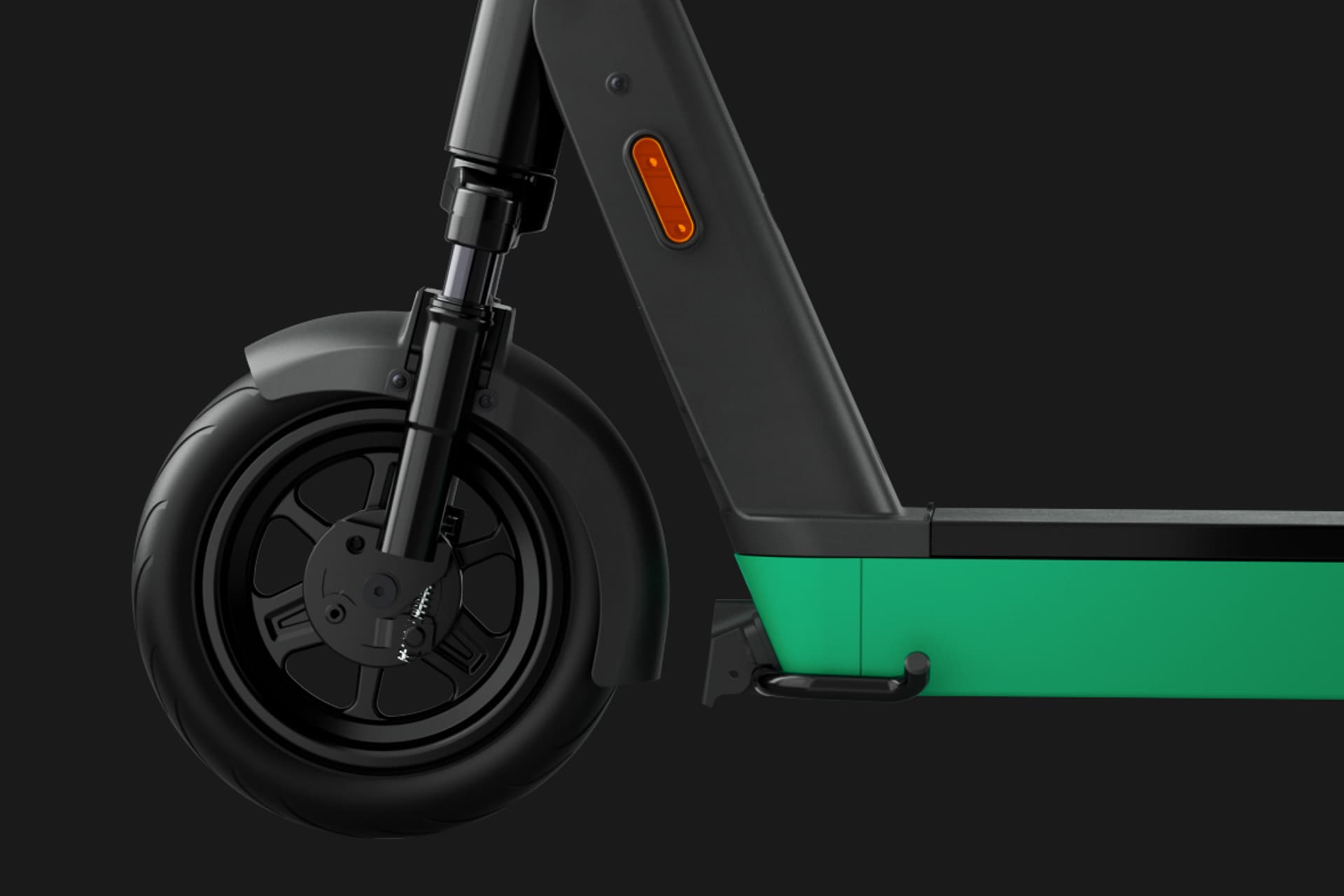
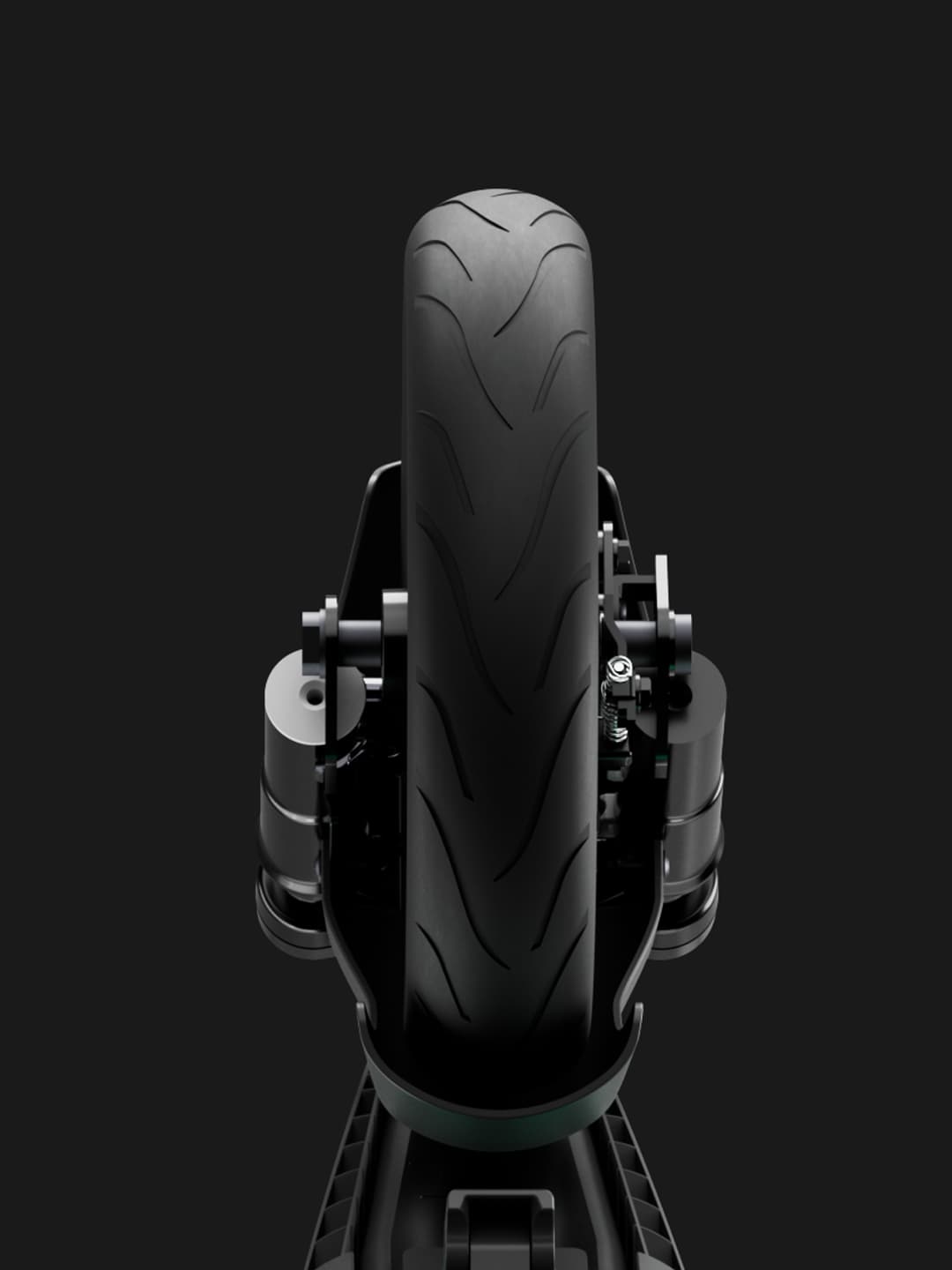
Bolt scooters use a modular, in-house design: individual components can be replaced with minimal downtime, and Bolt controls its own hardware and firmware updates. Its ergonomic configuration features a 22 cm-wide floorboard, a 12-inch front wheel, and front-wheel suspension, while the under-floor battery placement lowers the center of gravity for better stability and rider control.
Sensors
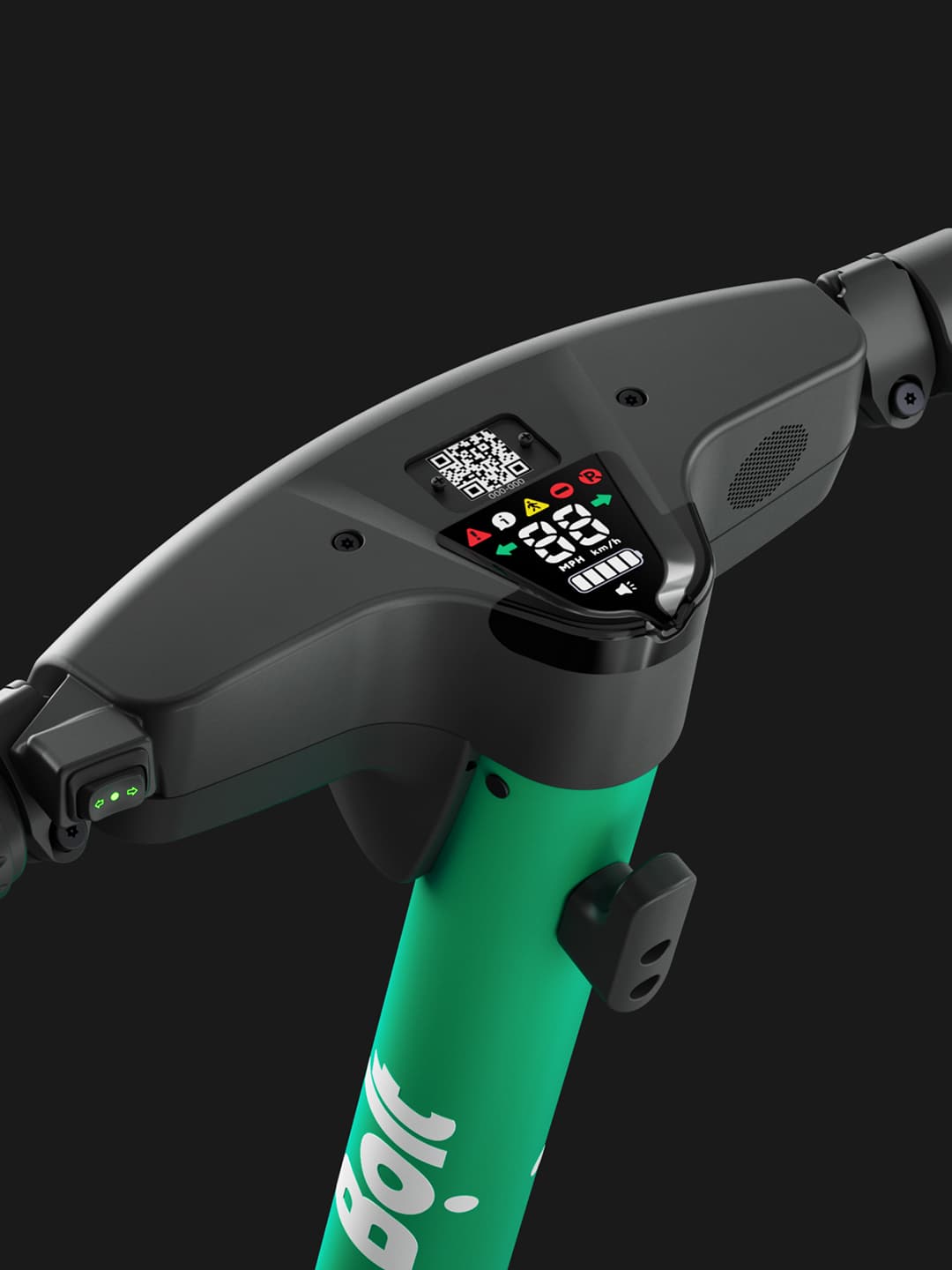
Equipped with a suite of sensors and microprocessors, the Bolt 6 continuously monitors riding conditions and vehicle health. The same hardware doubles as a measurement platform: each sensor below contributes a signal the project can repurpose for accessibility mapping.
Gyroscope
Measures rotation and helps determine orientation
Accelerometer
Measures acceleration, derives vibration and 3D motion
GPS
Records position, derives route and travel speed
Camera
Captures wide-angle image frames
Data Storage
Bolt scooters collect data through their onboard sensors and process it on their microprocessors. The data is then transmitted to Bolt's central system, where it's analyzed for maintenance scheduling, safety alerts, and performance optimization.